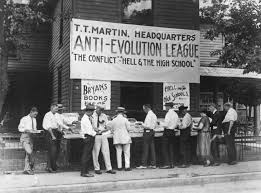
In the 1920s, conservative politicians worried that evolution would undermine religious belief. In the 2020s, modern culture warriors argue that discussions of race, gender, and history may instill guilt or radicalize students.
Both then and now, there is a fear that education might challenge deeply held beliefs. This politicization creates a chilling effect on educators, many of whom now fear lawsuits, job loss, or harassment for teaching controversial topics.
Some school districts have responded by requiring teachers to submit lesson plans in advance, avoid certain phrases, or use state-approved scripts—curbing teacher autonomy in the process. Parental Rights vs.
Professional Expertise At the heart of the current debate is the question of who controls what students learn. Proponents of restrictive laws argue that parents have the ultimate right to shape their children’s education and that schools should reflect community values.
They point to examples of inappropriate content or perceived political bias as justification for oversight. Opponents argue that education should be guided by trained professionals and evidence-based standards, not political ideology. They emphasize the importance of critical thinking, exposure to diverse perspectives, and preparing students for a complex world.
This clash—between parental rights and professional expertise—echoes the Scopes Trial, where religious traditionalists sought to protect their children from ideas they found morally or spiritually dangerous.
The Rise of Book Bans and Curriculum Battles Perhaps the most visible sign of this renewed educational conflict is the wave of book bans sweeping through school districts across the U.S. Classic works such as To Kill a Mockingbird,
The Bluest Eye, and even graphic novels like Maus have been removed from libraries over content deemed “inappropriate” or “politically divisive.”
The bans are often fueled by local advocacy groups, political campaigns, or social media outrage, and they disproportionately target books by authors of color or LGBTQ+ writers.
Curriculum battles have also intensified. State-level standards are being rewritten to downplay slavery, minimize Indigenous history, or sanitize the civil rights movement.
These efforts have led to protests from educators, historians, and civil liberties groups who see them as an attempt to rewrite or whitewash history.
Technology and the Modern Education Divide One key difference between now and 1925 is the role of technology. Social media, smartphones, and the 24-hour news cycle amplify every controversy and allow educational debates to go viral overnight. What might once have been a quiet school board decision now becomes a national flashpoint, attracting media attention, online harassment, and political intervention.
As parents monitored virtual classrooms, some expressed alarm over the content being taught—fueling a wave of legislative and political responses that continue today.
Lessons from History—and the Road Ahead
The Scopes Trial was ultimately a symbolic victory for science, but it also underscored how fragile academic freedom can be when subjected to political forces. Today’s battles over curriculum, classroom speech, and book access carry similar warnings.
The stakes are high. Restricting what students can learn not only limits their understanding of the world but also hinders their ability to think critically, engage with complex issues, and participate in democracy.
At the same time, the controversy reveals just how much Americans care about education. Schools are more than institutions—they are mirrors of our values, hopes, and fears.
FAQs
1. What is university accreditation and why does it matter?
Accreditation ensures schools meet quality standards, giving degrees value and access to federal aid.
2. Why is Trump targeting accreditation now?
He believes it favors liberal institutions and wants more accountability and control.
3. Can the federal government control accreditation?
It can influence but not directly control; most accrediting agencies are private.
4. How could this affect students?
Students could face degrees with less credibility, fewer funding options, or schools with lower standards.
5. Is reform of accreditation necessary?
Many experts agree reform is needed—but opinions differ on how to do it and who should lead it.